October 16, 2026
Export Invoice Factoring: Turn U.S. Receivables Into Cash Flow Faster
International Banking
Fraud Alert: Scammers are texting and calling as TRB’s Fraud Department. TRB’s Fraud Department will never call you, text you a link, or ask for your username, password, or token code verbally or via text. If contacted, hang up and call us at 855-534-4433.


FDIC-Insured – Backed by the full faith and credit of the U.S. Government
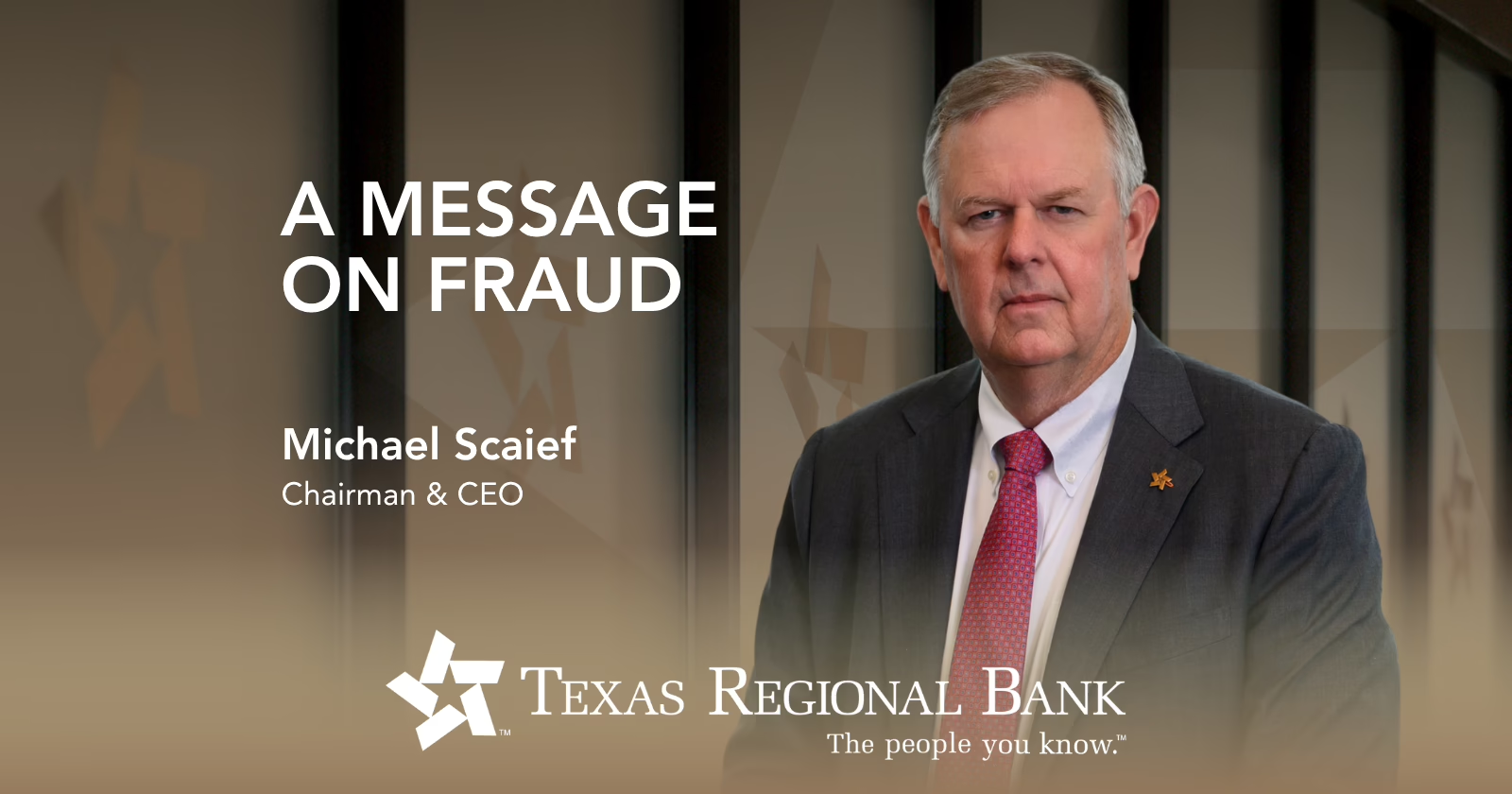
Dear Valued Customer,
In my previous letter, I reminded customers never to share online banking credentials, passwords, or one-time passcodes. Today’s message is about embedding Fraud Awareness and Prevention into every household and business’s culture.
Here are two tools to get you started if you have not already done so:
Things you, your household, and your business should know and talk about:
Fraudsters research individuals and businesses they intend to target. Public records, business websites, networking sites, social media, and information exposed through data breaches allow criminals to build detailed profiles before contacting their targets. A safe assumption is fraudsters know enough about you or your business to coax you or your team into letting your guard down.
Fraud prevention is no longer just a banking responsibility. It has become a household responsibility and a business responsibility.
The common error in nearly every fraud case is granting access, which criminals gain by (1) building trust through research, (2) creating urgency that leads to stress and mistakes, and (3) causing fear. While criminals may know more about you than you realize, they still need you to give them access to commit the crime—whether through your online banking password, a one-time passcode, a security token code, your debit card information, or your authorization to move money. Personal information alone is no longer a reliable way to verify identity and mitigate fraud; in the wrong hands, it can create a false sense of security.
It needs to be standard practice for you, your family, and your business: if anyone claiming to represent your bank calls, emails, or texts you and asks for credentials or to approve account access, stop and call a trusted phone number you know belongs to the bank to verify before acting.
Criminals identify people within an organization or household with access to accounts, purchasing, or payments. A convincing phone call or email directed to the right person can be financially catastrophic.
Fraud will continue to evolve, and criminals will adapt. Fraud tactics today may change tomorrow. A regular training cadence and staying informed about current fraud trends are best practices. Rest assured, Texas Regional Bank continues to invest in technology, monitoring, personnel, and processes to prevent and identify fraud, however, customer diligence remains one of our strongest defenses.
Reminders:
In closing, I am the most impersonated employee at the bank in phishing emails and texts. Do you think a fraudster can create fear or a sense of urgency with their target while impersonating me? Slow down, verify with a trusted person, make a call, and only accept confirmation from The People You absolutely Know.
Sincerely,
Michael Scaief