
October 20, 2026
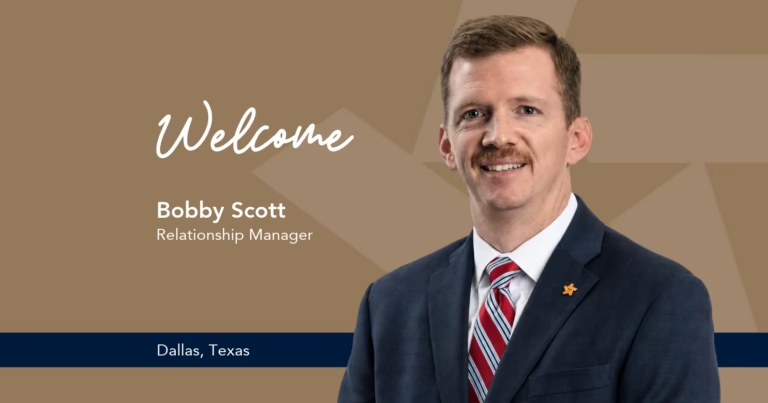
TRB Welcomes: Bobby Scott as Relationship Manager in Park Cities
People You Know
Fraud Alert: Scammers are texting and calling as TRB’s Fraud Department. TRB’s Fraud Department will never call you, text you a link, or ask for your username, password, or token code verbally or via text. If contacted, hang up and call us at 855-534-4433.


FDIC-Insured – Backed by the full faith and credit of the U.S. Government
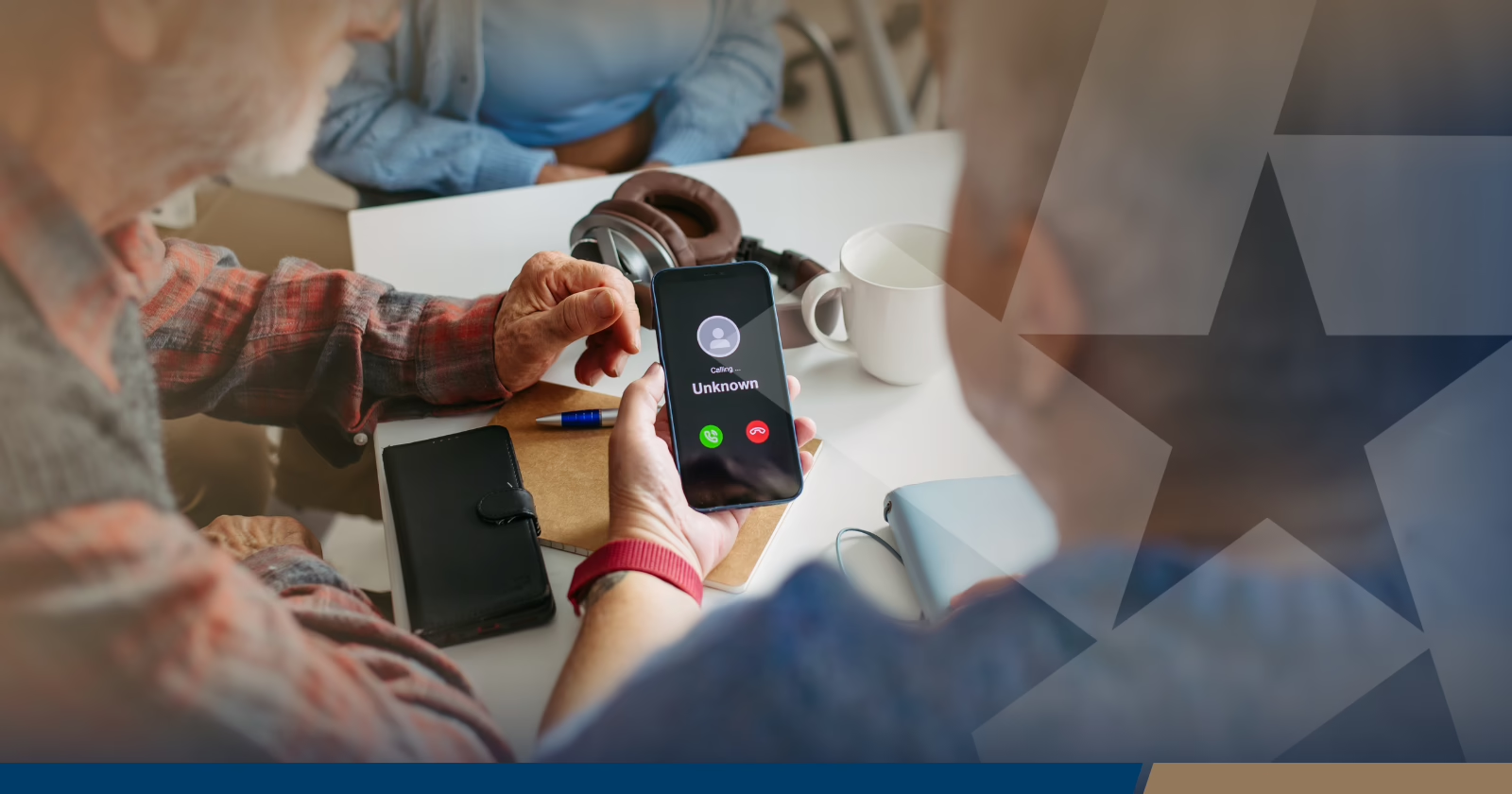
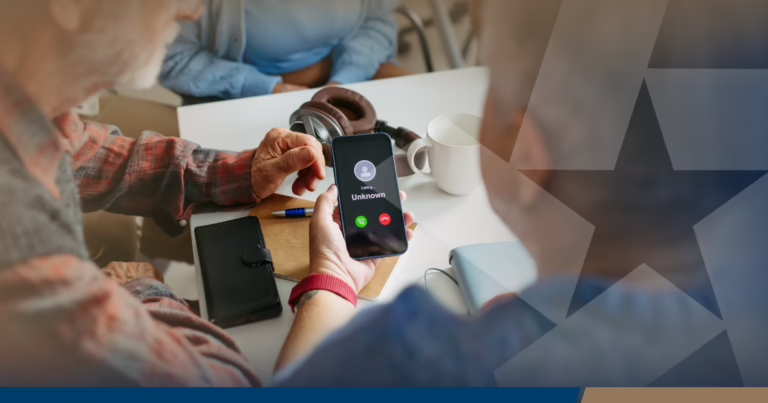
Losing money to a scam can create urgency, frustration and a strong desire to recover what was lost. Fraudsters know that.
A recovery scam targets someone who has already been victimized and promises to recover lost money in exchange for an upfront fee, additional personal information or access to financial accounts.
The FTC warns that these scammers may pose as government agencies, law firms, consumer advocates or recovery specialists and often already know details about the original fraud.
A recovery scam often begins after the original loss. The caller or message may know how much money you lost, what type of scam occurred or other details that make the offer sound credible. The FTC says information about previous victims can be bought, sold or shared among scammers, creating opportunities for repeat targeting.
The new contact may claim that funds have been located, a refund is available or legal action can recover the loss, but remember, familiar details do not establish legitimacy.
A familiar vendor sends an email. The invoice is expected. The conversation may even appear inside an existing thread. Then one detail changes: where the money should go.
Learn MoreA common warning sign is a request for money before recovery can begin.
The payment may be described as a processing fee, retainer, administrative charge, tax or other required expense. The FTC warns that legitimate government agencies do not charge victims upfront to recover money and that promises of guaranteed recovery should be treated with skepticism.
Requests for bank account information or other sensitive financial details can create additional risk.
Unexpected recovery offers deserve independent verification. Look up the organization separately and use contact information you find yourself.
Government agencies should be contacted through official websites or published phone numbers. A legitimate-sounding title, case number or knowledge of the original scam does not replace verification.
Read What to Do After You’ve Been Scammed for TRB’s step-by-step guidance on contacting your bank, securing accounts, preserving evidence and reporting the incident.
Learn MoreIf money has been sent to a scammer, contact the financial institution or payment provider involved as quickly as possible.
Depending on the payment method and timing, the transaction may be eligible for a stop, recall, dispute or investigation. The FBI also recommends reporting internet-enabled fraud promptly through the Internet Crime Complaint Center because rapid reporting can support investigative and recovery efforts.
A previous loss can make a promise of recovery especially persuasive. Unexpected offers to recover money for a fee, guarantee a refund or collect sensitive financial information deserve immediate scrutiny. Verify the source independently and begin recovery through your financial institution and recognized government reporting channels.