November 6, 2026
If Someone Sends You to a Bitcoin ATM, Stop
Security
In observance of Veterans Day, TRB locations will be closed Wednesday, November 11. Thank you to all who have served. Online banking, mobile banking, and ATMs are available 24/7.


FDIC-Insured – Backed by the full faith and credit of the U.S. Government
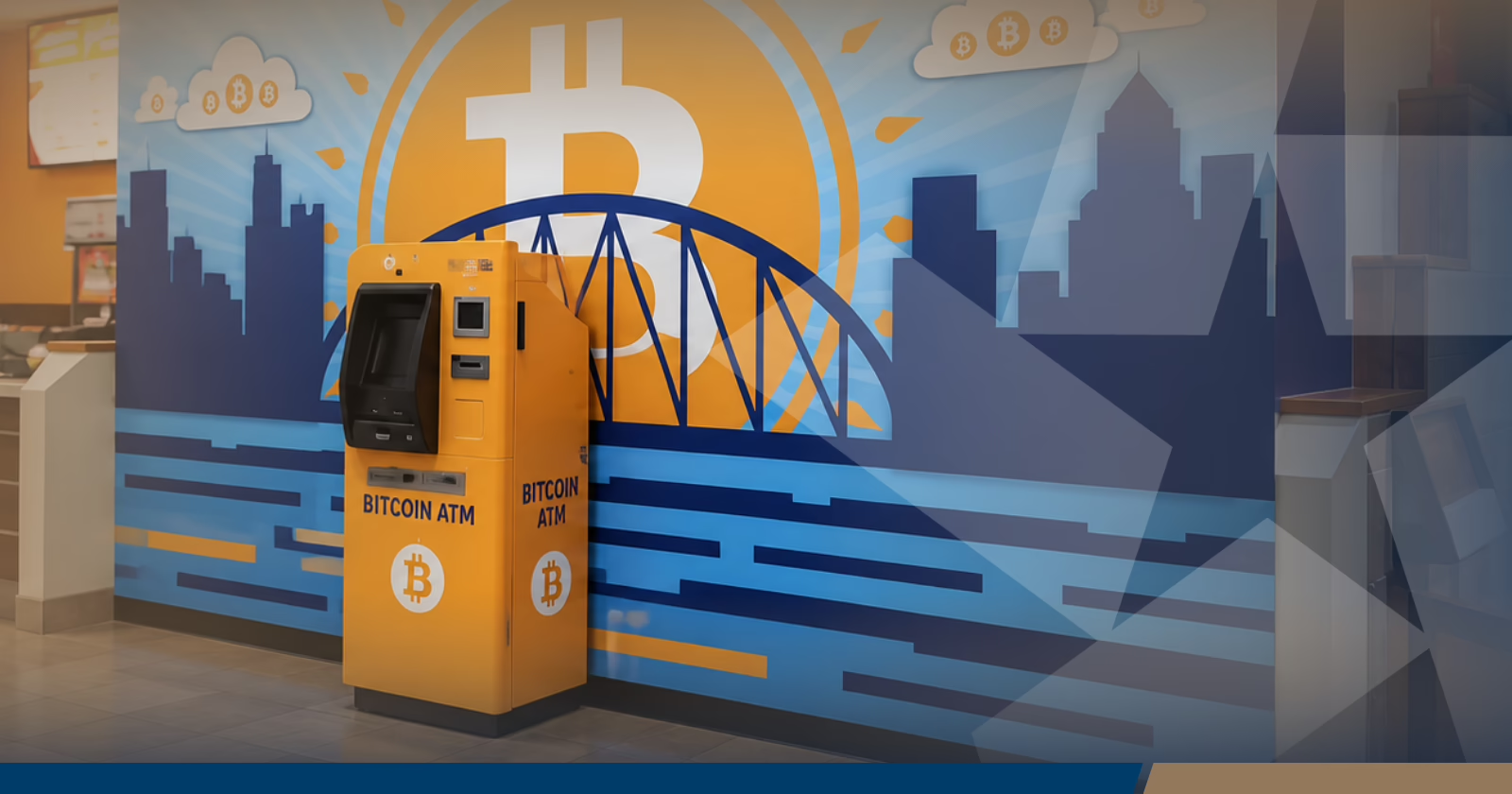
Bitcoin ATMs are legitimate machines used to buy and send cryptocurrency. Fraudsters increasingly use them as the final step in impersonation and social-engineering scams.
If an unexpected caller or message tells you to withdraw cash and deposit it into a Bitcoin or cryptocurrency ATM to protect your money, resolve a fraud problem, pay a government agency or avoid legal trouble, stop. Those instructions are a major scam warning sign.
The scale of the problem has grown quickly. FTC data show reported fraud losses involving Bitcoin ATMs increased nearly tenfold from 2020 to 2023 and exceeded $65 million during the first half of 2024 alone. The median reported loss during that six-month period was $10,000.
Bitcoin ATM scams often involve significant losses because the machine appears late in a much longer deception.
FTC reports involving these machines are overwhelmingly associated with government impersonation, business impersonation and tech-support scams. People age 60 and older have been particularly affected: during the first half of 2024, they were more than three times as likely as younger adults to report a Bitcoin ATM fraud loss. Federal Trade Commission
The machine itself is only one part of the scheme. The scammer first has to convince the victim that a serious problem exists and immediate action is required
The story usually begins somewhere else. A caller may claim to represent your bank, law enforcement, a government agency or a technology company. They may say your account has been compromised, your identity is connected to a crime or your money is at risk.
From there, the pressure escalates.
False problem → Apparent authority → Urgency → Isolation → Cash withdrawal → Bitcoin ATM
The FTC has documented the same progression, often beginning with a fake account alert or security warning and ending with instructions to withdraw cash and deposit it at a cryptocurrency kiosk.
Social engineering works best when the scammer controls the conversation.
Fraudsters may:
Those tactics are designed to keep you moving and reduce the chance that a family member, banker or other trusted person interrupts the scheme.
Read TRB Red Flag Report: A Cautionary Tale about Social Engineering to see how one customer was directed to withdraw $30,000 and deposit the cash into a Bitcoin ATM before recognizing the scam.
Learn MoreThe request to withdraw a large amount of cash is another important warning sign.
Fraudsters often steer victims toward payment methods that move money quickly and can be difficult to recover. A request to leave the bank with cash and take it somewhere else should trigger an immediate verification step.
If someone claiming to protect your account is also directing how you should withdraw and move your money, end the conversation and contact your bank independently.
No bank or government agency needs you to use a Bitcoin ATM to protect your money or resolve an account problem. The FTC specifically advises consumers to reject any claim that withdrawing cash and using a Bitcoin ATM will secure their funds or fix an urgent problem. Consumer Advice
An unexpected instruction to withdraw cash and take it to a cryptocurrency kiosk is reason to stop immediately, break contact and verify the situation through a source you already trust.