
October 16, 2026
Export Invoice Factoring: Turn U.S. Receivables Into Cash Flow Faster
International Banking
Fraud Alert: Scammers are texting and calling as TRB’s Fraud Department. TRB’s Fraud Department will never call you, text you a link, or ask for your username, password, or token code verbally or via text. If contacted, hang up and call us at 855-534-4433.


FDIC-Insured – Backed by the full faith and credit of the U.S. Government
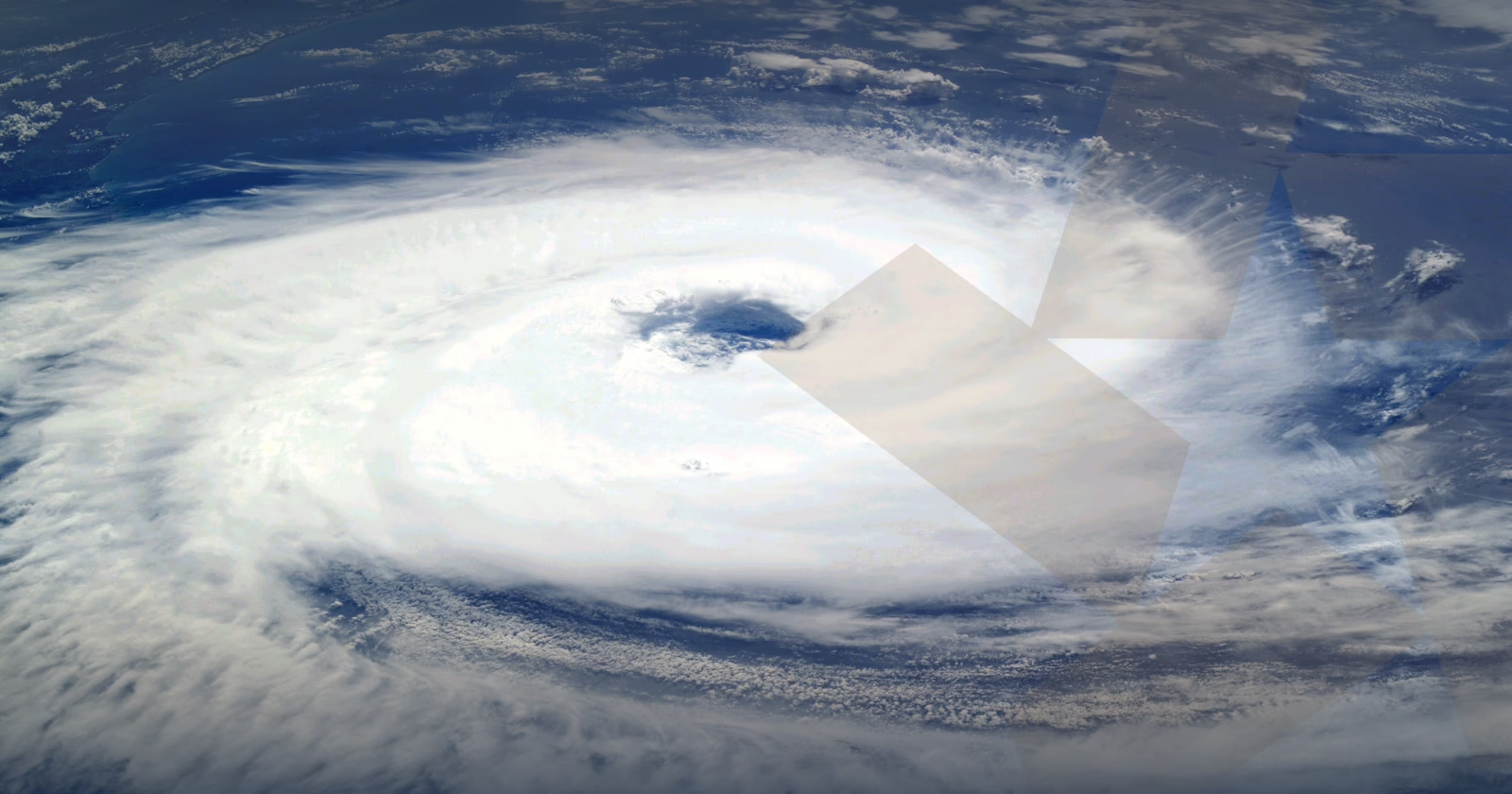
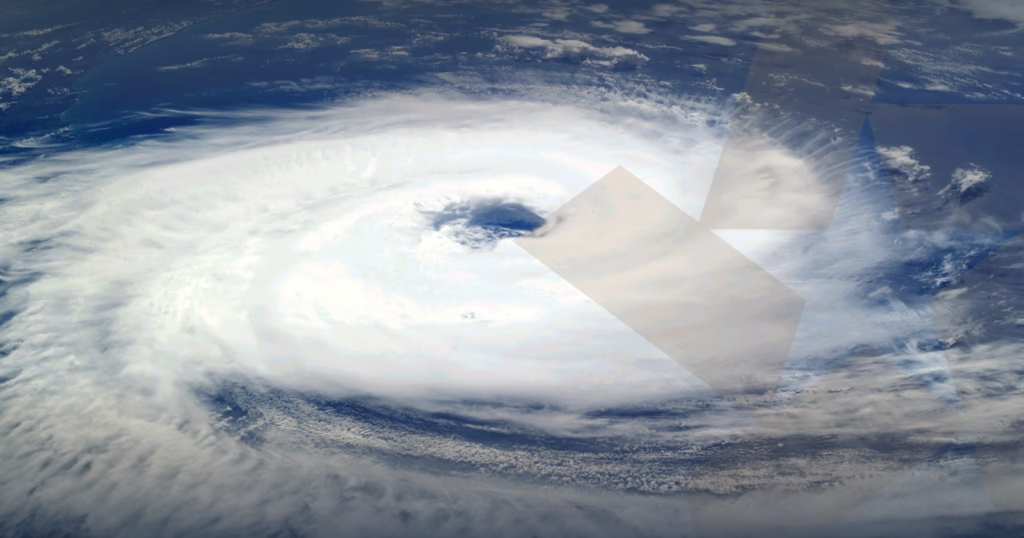
When people think about hurricane preparedness, they often think about emergency supplies, evacuation routes, and protecting their homes. Those steps are important, but financial preparedness deserves attention too.
Taking a few simple steps before hurricane season can help you protect important records, access your money, avoid unnecessary stress, and recover more quickly if severe weather affects your family or community.
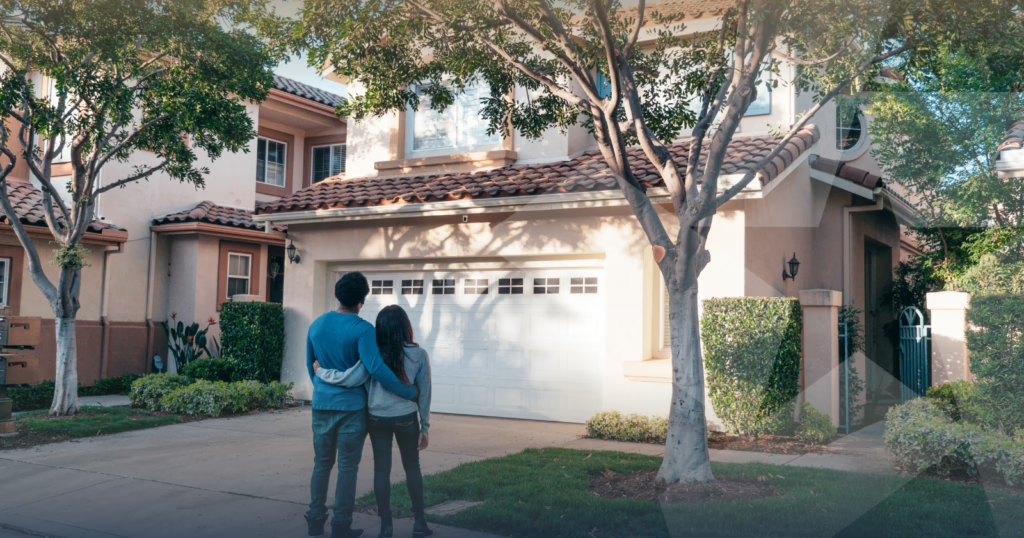
Replacing important financial and legal documents after a disaster can be time-consuming and stressful. Before hurricane season, gather the documents you would need if you had to leave your home quickly or begin the recovery process.
Consider protecting items such as:
Keep physical copies in a waterproof, fire-resistant container, and store secure digital copies where they can be accessed from another location if needed.
Hurricane season is a good time to review your homeowners, flood, or business insurance and make sure your coverage still reflects your current needs. If you have questions about your policies or aren't sure what's covered, a TRB Insurance agent can review your coverage and help identify potential gaps before severe weather is in the forecast.
Connect with a TRB Insurance AgentStorms can disrupt more than property—they can interrupt everyday financial routines. A little preparation before hurricane season can help you stay focused on what matters most if severe weather affects your area.
Consider:
These small steps can help reduce stress during an already challenging time.
If you need to evacuate or your community experiences extended power or internet outages, accessing your financial accounts may become more difficult.
Before hurricane season begins:
Taking a few minutes to prepare now can make accessing your finances much easier when you need them most.
Unfortunately, fraud often increases after natural disasters. Scammers may pose as contractors, government agencies, charitable organizations, or even financial institutions in an attempt to steal money or personal information.
Be especially cautious of anyone who:
If something feels rushed or too good to be true, take a moment to verify before responding.
Preparing financially isn’t just about what happens before a storm—it’s also about knowing what to do afterward.
If your home or business is affected:
Having a plan can help you move from response to recovery more confidently.
Preparing for hurricane season means more than protecting your property. It also means protecting your finances, important records, and the people who depend on you. Whether you have questions about your banking relationship, your insurance coverage, or preparing for the unexpected, the team at TRB is here to help.
Connect with a TRB Insurance AgentDISCLOSURES: INVESTMENT AND INSURANCE PRODUCTS ARE NOT A DEPOSIT/NOT FDIC INSURED/MAY LOSE VALUE/NOT BANK GUARANTEED/NOT INSURED BY ANY FEDERAL GOVERNMENT AGENCY/ARE NOT A CONDITION TO ANY BANKING SERVICE OR ACTIVITY.