October 2, 2026
Why Your Banker Should Be on Speed Dial
People You Know
Fraud Alert: Scammers are texting and calling as TRB’s Fraud Department. TRB’s Fraud Department will never call you, text you a link, or ask for your username, password, or token code verbally or via text. If contacted, hang up and call us at 855-534-4433.


FDIC-Insured – Backed by the full faith and credit of the U.S. Government
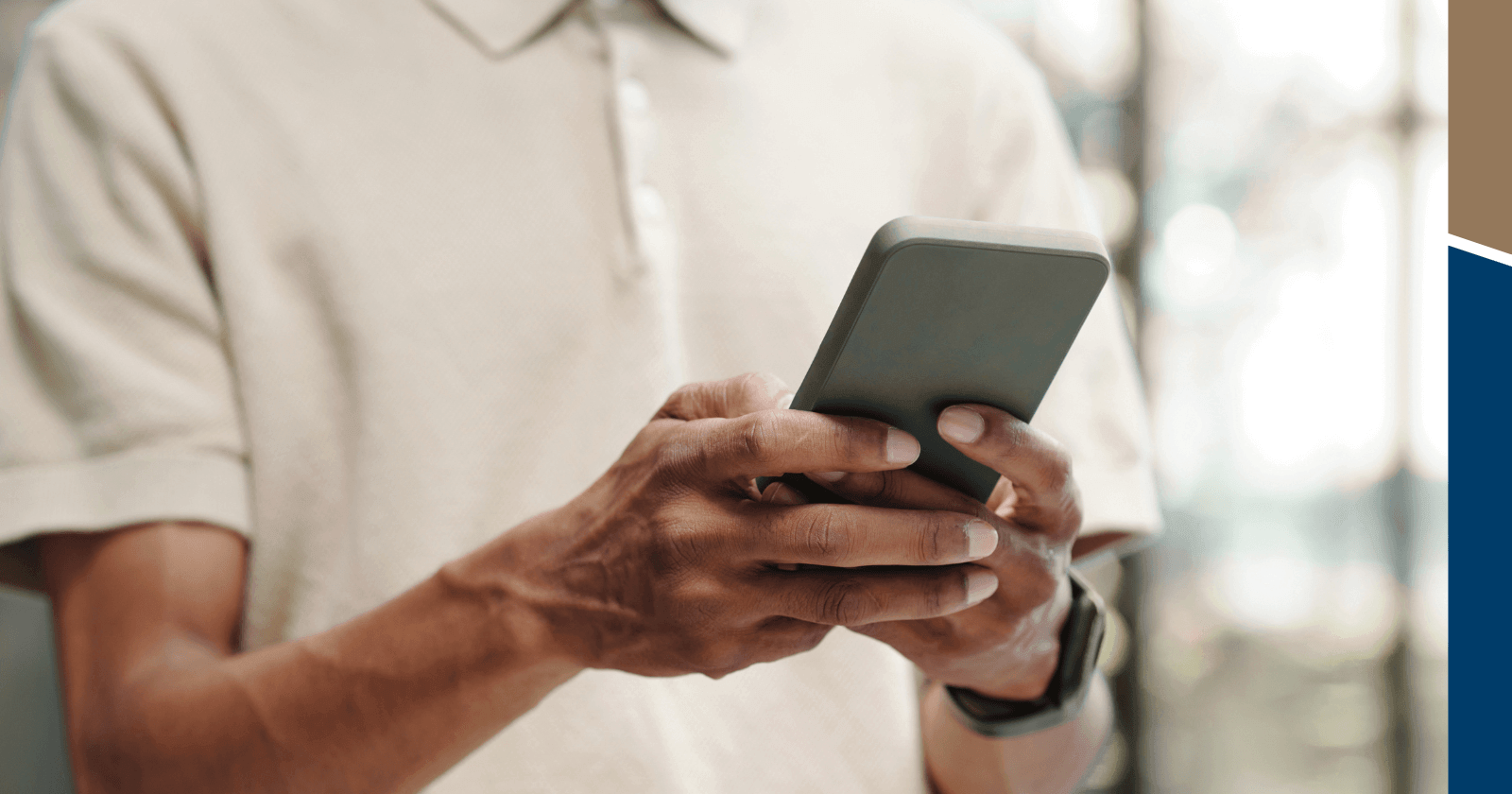
Text messages have become one of the most common ways fraudsters attempt to reach consumers.
These messages often appear routine—related to deliveries, transactions, or account activity—and are designed to prompt immediate action. In many cases, a single interaction leads to a fraudulent website or a request for sensitive information.
Understanding how these messages work helps you recognize them before responding.
Smishing is a form of social engineering that uses text messages to deceive individuals into sharing information or taking action.
Rather than targeting systems, these scams target behavior —using messages that appear to come from trusted sources such as delivery services, financial institutions, or service providers.
The objective is to create a sense of familiarity or urgency so the recipient responds without verifying the request.
Fraudsters rely on a few consistent approaches:
These tactics are effective because they often coincide with everyday activity—making the message feel legitimate.
Through these messages, fraudsters may attempt to collect:
This information can be used to initiate transactions, reset credentials, or gain access to accounts.
A few consistent practices can significantly reduce your risk:
Fraudsters depend on speed. Taking time to verify claims can prevent unauthorized access and stop fraud before it happens.
If you receive a suspicious message or believe your information has been compromised:
Awareness and consistency in how you react to these messages can help protect both your Information and your accounts.