August 20, 2026
Texas Regional Bank Appoints Trey Willerson President of TRB Trust & Wealth Management
News


FDIC-Insured – Backed by the full faith and credit of the U.S. Government
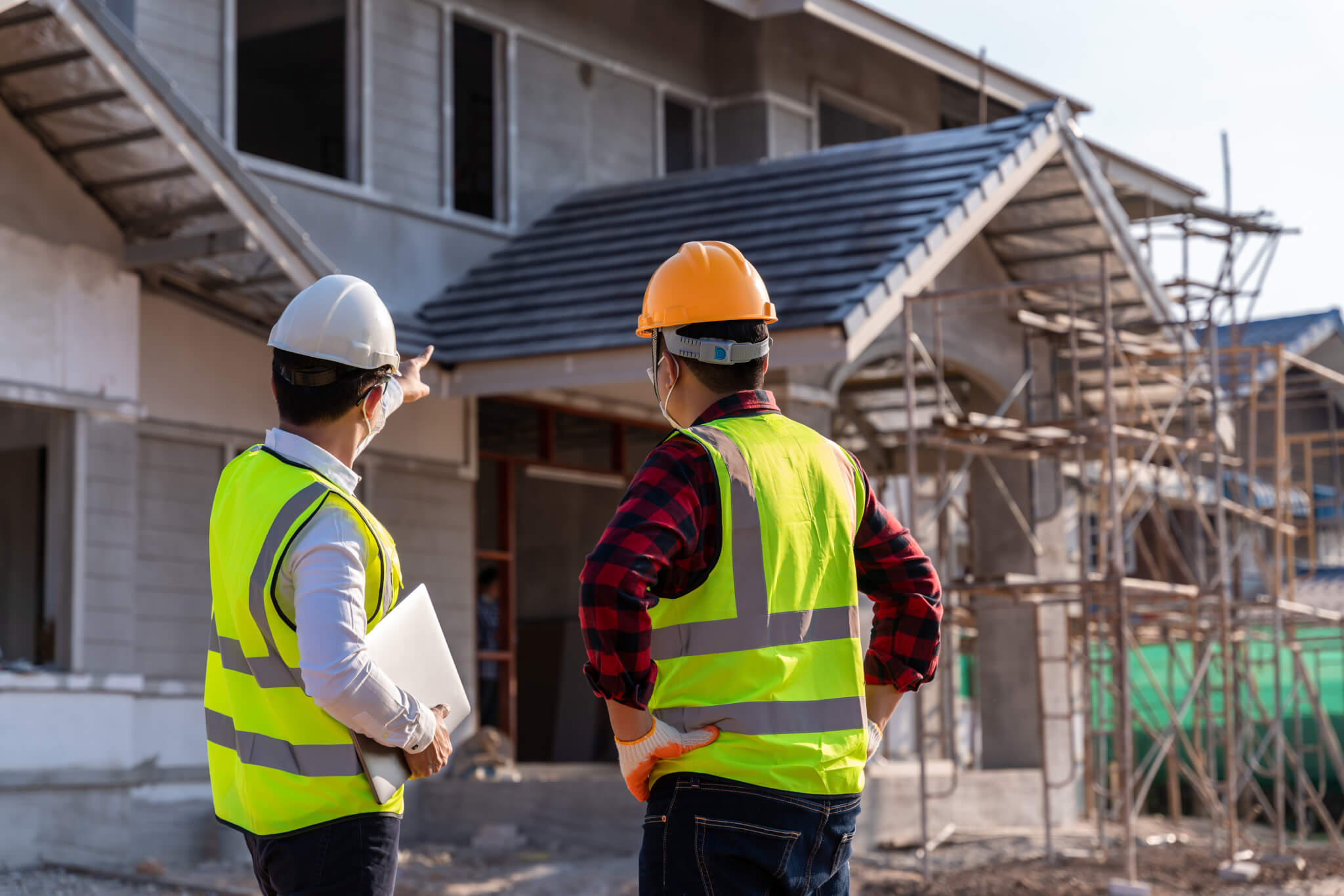
Between 2016 and 2020, there were about 4,300 fires annually on construction sites that required local fire departments to respond. These fires resulted in an average of $376 million in direct property damage each year.
Obtaining a builder’s risk insurance is the most effective approach to safeguard your financial interest when funding or physically constructing a construction project.
Builder’s risk insurance, also known as construction insurance or course of construction insurance, is a policy that provides coverage for properties under construction or renovation against risks until the project is complete. So, who typically needs this kind of insurance:
Whether you are building a new structure or giving an old one a makeover, builder’s risk insurance is here to cover you and any possible construction mishaps. Each builder risk insurance policy is different, but they typically cover these kinds of damages:

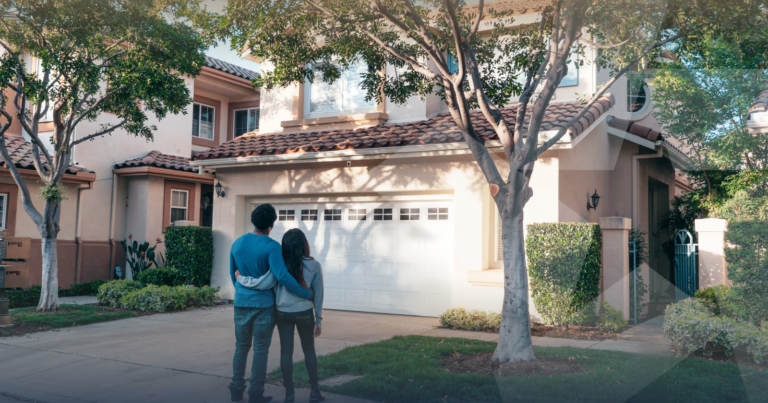
So you’ve already done the work of securing a lot in the neighborhood of your choice. Congratulations! The next step is to build a home that will be a haven for you and your family. A construction loan (short-term loan taken out by home buyers or builders that are usually one year in length) can be useful to cover construction expenses while your home is being built.
Read MoreBuilder’s risk insurance can cover various properties and construction sites. Here are some types of properties that builder’s risk insurance can cover:
Builder’s risk insurance generally does not cover liability claims, such as bodily injury or property damage suffered by third parties. These kinds of claims are usually covered by personal liability insurance.
Builder’s risk insurance coverage usually terminates once the construction project is completed, and the property is occupied or ready for use. At that point, property insurance or homeowner’s insurance would cover the property.
Builder’s risk insurance may not cover theft or dishonest acts committed by employees or contractors working on the construction project.
Mechanical or electrical breakdown of equipment, machinery, or tools used in the construction project is typically excluded from the builder’s risk insurance. Equipment breakdown coverage can be obtained through separate policies.
Errors or omissions in design, engineering, or architectural work are generally excluded from the builder’s risk insurance.
Firstly, identify your insurance needs by considering the type of property, project duration, budget, and potential hazards.
Secondly, seeking expert advice from an insurance agency can help clarify any uncertainties and guide the process along.
Finally, carefully review the coverage limits, details, exclusions, and policy conditions. Consulting with an independent insurance agent for personalized advice can be helpful. By conducting thorough research and considering all project factors, you can make an informed decision and find the right builder’s risk policy that aligns with your project’s needs.
Usually, the general contractor and property owner are responsible for discussing and agreeing on the payment arrangements based on the project’s details, their relationship, and how many people are involved.
If you got a loan for your project, the bank will need proof that you have a builder’s risk policy in place while you’re building, regardless of who buys the policy.
The builder’s risk insurance cost depends on where your construction project is located, how much it’s worth, how long the policy is for, and what kind of construction you’re doing. Plus, different insurance companies might have different rates and coverage options.
Insurance agents will look at the below factors to determine the best policy for you and how much the policy will cost :
Typically, insurance agents calculate the insurance cost as a percentage of the total construction cost. Rates usually range from 1% to 5% of the project’s value. Let’s say your project is estimated to cost $200,000, and the insurance rate is 2%. That means you’d be looking at an annual premium of around $4,000.
Keep in mind that builder’s risk insurance is usually bought for a specific period, which is usually the length of your construction project. If the project ends up taking longer than expected, you might need to extend the policy, which could mean extra costs.
If your builder’s risk policy is about to expire, you can always extend your policy for three, six, or twelve months. However, some insurance companies will only extend the policy once.
Soft cost coverage can also help if the construction project is delayed. Due to a project being delayed, Soft cost coverage helps cover the following:
Once the project is complete builder’s risk insurance will expire for these reasons; the property is sold, the property is occupied, or the policy itself expires. After the project is complete and coverage has expired, the next step is getting insurance similar to builder’s risk or property insurance.
Getting property insurance covers structures in the case of fire, theft, hail, or other accidents.
If your project needs to be transported, inland marine insurance will cover materials and supplies while they are in transit.
To ensure you find the right builder’s risk policy for your project, take the initiative to assess your insurance needs, research reputable providers, and compare quotes. Seek guidance from independent insurance agents to make an informed decision. By taking these steps, you can protect your investment and have peace of mind throughout construction.
Speak with one of our independent insurance agents now and prioritize builder’s risk insurance to safeguard your construction or renovation project.
For more information, visit our page about insurance, Insurance – Texas Regional Bank.