October 2, 2026
Why Your Banker Should Be on Speed Dial
People You Know
Holiday Closure: All TRB locations will be closed Monday, October 12, for Columbus Day. Online and mobile banking and ATMs remain available 24/7. We’ll reopen Tuesday, October 13.


FDIC-Insured – Backed by the full faith and credit of the U.S. Government

Fraudsters often rely on convincing stories to gain access to sensitive information. One of the most common tactics involves impersonating a bank’s fraud department, gaining access, and draining victims’ accounts.
Recently, customers across the banking industry, including at TRB, have reported receiving phone calls or text messages claiming to be from bank fraud representatives. Similar to other impersonation schemes, like the fraudulent PayPal scam, the message typically warns of a suspicious or unauthorized transaction and asks the customer to verify their account information and surrender credentials.
The goal is to create urgency so the victim responds quickly.
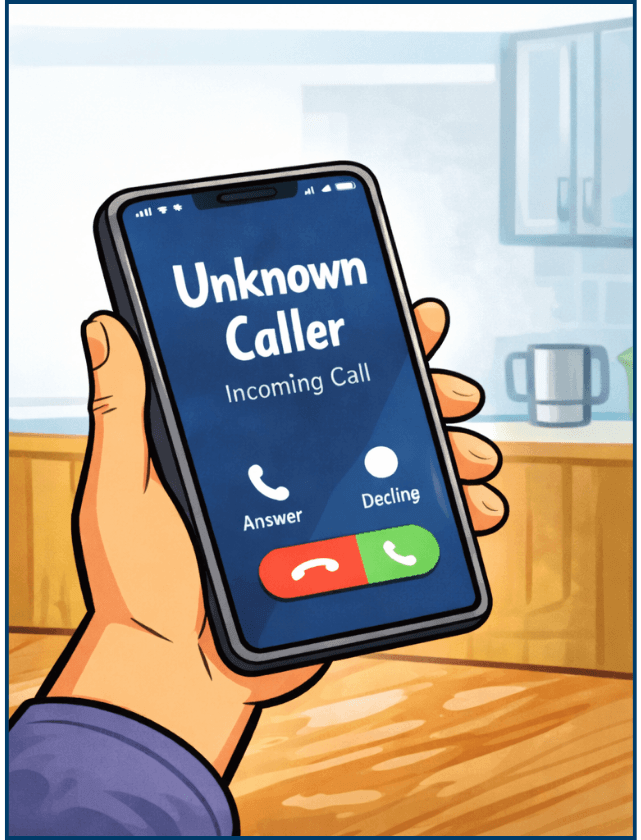

Jane Doe received a phone call from someone claiming to be from her bank’s fraud department. Jane noticed the call appeared to come from her bank’s phone number and caller ID, which made it seem legitimate.
The caller explained that the bank had detected a suspicious debit card transaction for $746 at an online electronics retailer and asked if she recognized the charge and had authorized the purchase.
Jane, of course, had not.
“That’s exactly why we’re calling,” the caller replied. “We want to stop the charge before it goes through.”
The caller reassured Jane that her account could be secured quickly but said they needed to verify a few details first. They asked her to confirm the last four digits of her debit card and social security numbers.
Seconds later, Jane received a text message containing a one-time verification code. The caller explained that the code would allow them to block the suspicious transaction.
“Just read the code back to me and we’ll lock the account,” the caller said.
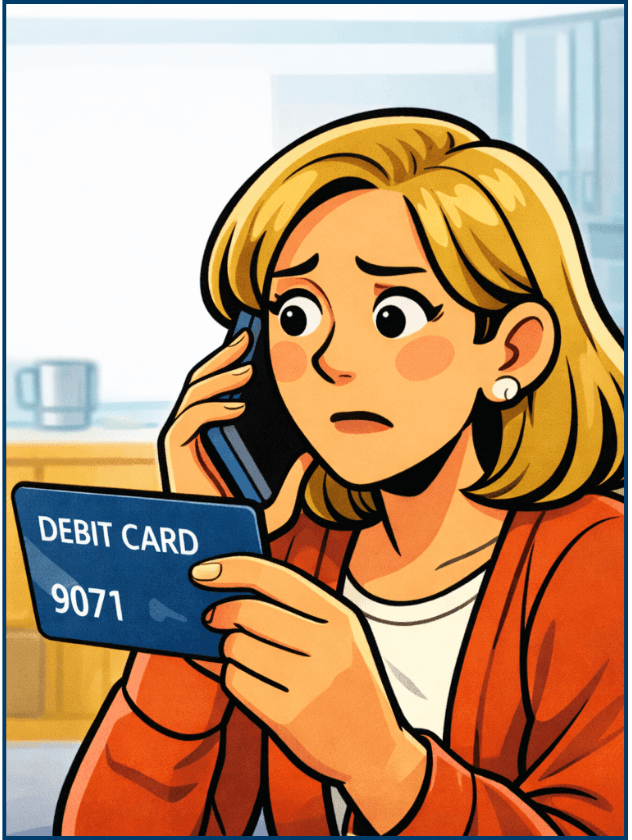
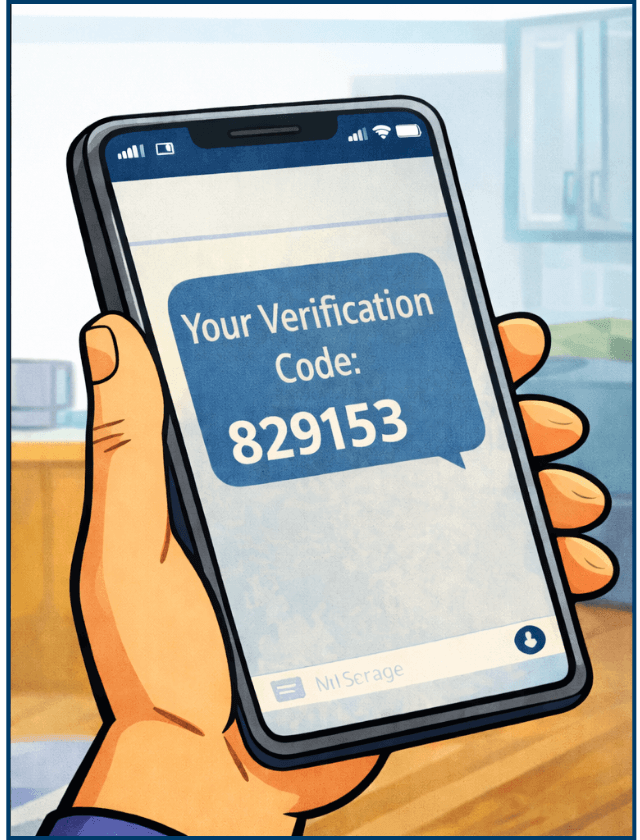
This type of fraud relies on social engineering, where criminals impersonate trusted organizations and use urgency to persuade victims to share sensitive information.
Fraudsters can spoof phone numbers so the call appears to come from a legitimate bank number. Once the victim is engaged, the fraudster attempts to obtain verification codes, login credentials, or debit card information.
With that information, criminals may attempt to reset passwords, access online banking, or initiate unauthorized transactions.
Be cautious if you experience any of the following:
If you receive a call or message about suspicious account activity:
Without Jane knowing, the fraudster had triggered a password reset for her online banking account and was attempting to use her one-time passcode verification to gain access.
Fortunately, Jane hesitated. Something about the request didn’t feel right.
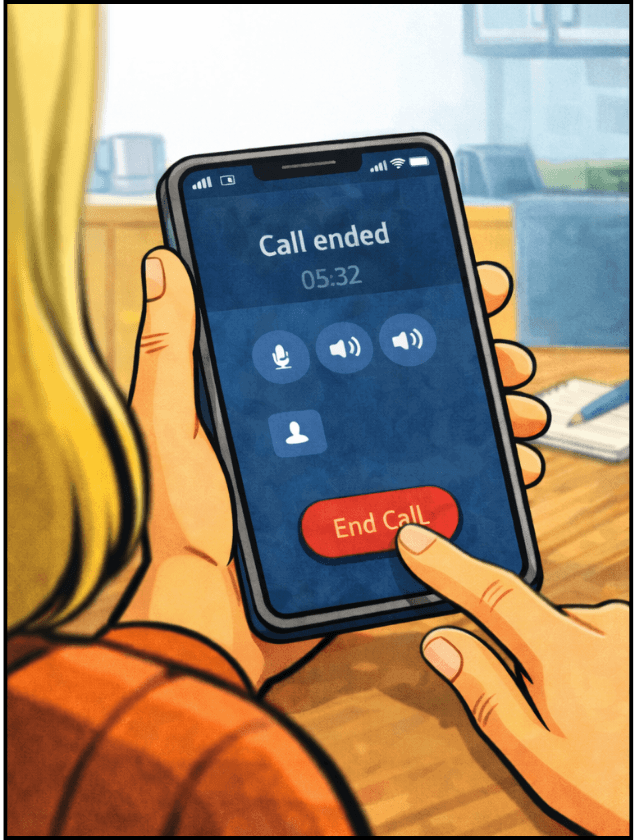
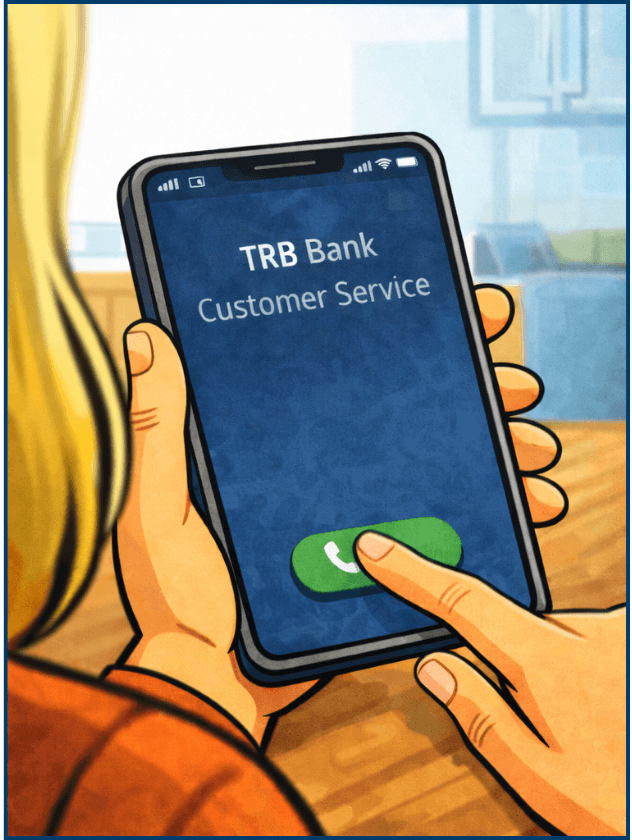
Instead of sharing the code, Jane made the right call. She hung up and contacted her bank directly to verify the situation. By doing so, she prevented the scammer from gaining access to her account.
“It’s really important for our customers to remember that cybercriminals are trying to mimic legitimate practices, like texting them a passcode. But the most important distinction to remember is that we will never initiate a call to our customers to ask for confidential information, like a one-time-passcode, CVV, or PIN.” – Esli Campos, Security & Fraud Officer
Fraudsters rely on urgency and convincing stories.
If something feels unusual, taking a moment to verify the request directly with your bank can help protect your personal and financial information.